The Long Lunch, As Practiced in Provence
In the south of France, lunch is not a break in the day. It is the structure around which the rest of the day is organized - a habit with consequences for how meals are designed, how restaurants are run, and how time is spent.
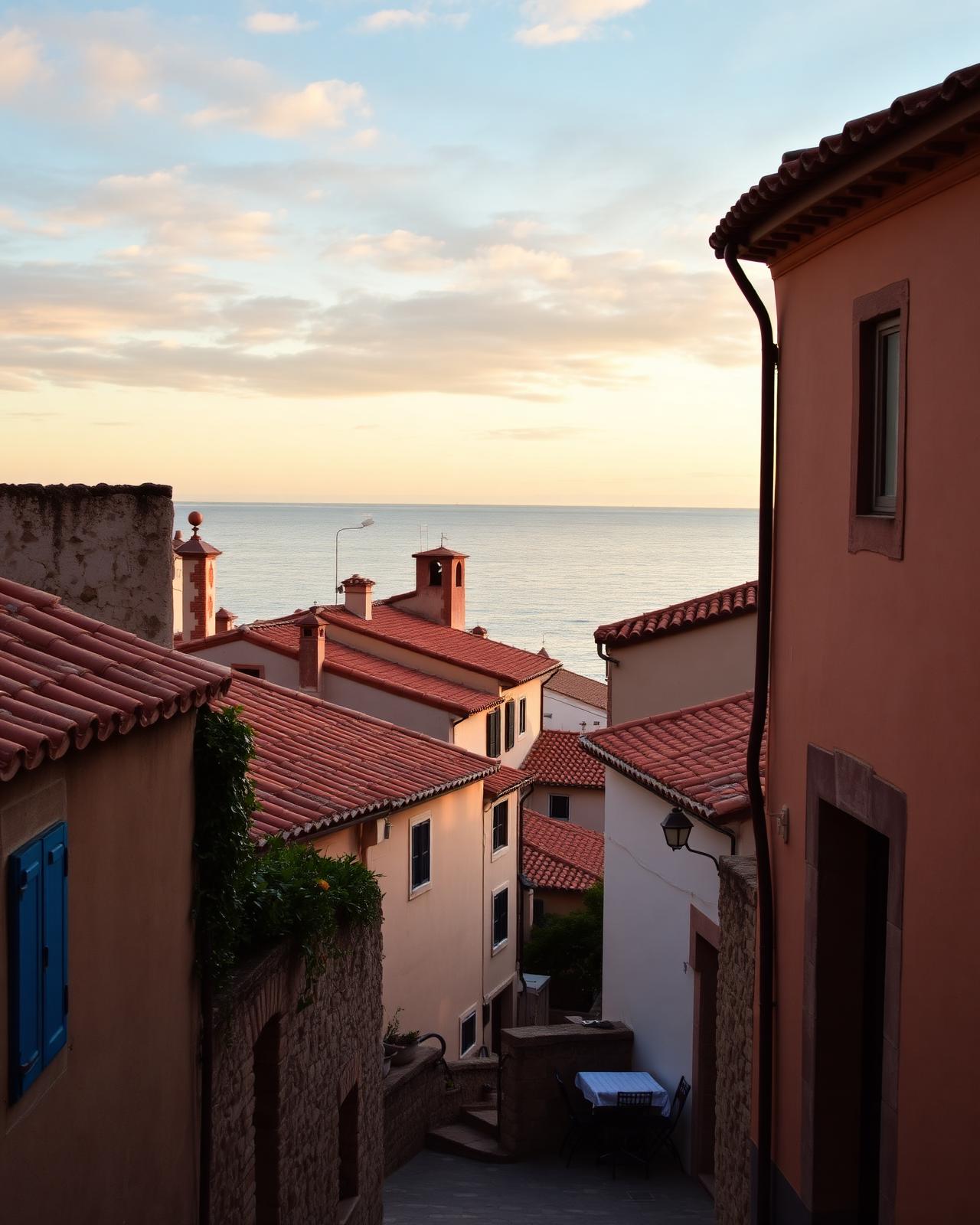
The Provençal lunch is one of the more durable rhythms of southern European life. In towns across the region - from the Luberon villages to the cities of Aix and Avignon - the midday meal still routinely runs from twelve-thirty until two or later, shops close during it, and restaurants build their week around it. Dinner exists, of course, but it is often the lighter of the two meals.
The structure of the meal is recognizable across the region. An entrée - frequently a salad of tomatoes and basil in summer, a soup or terrine in winter - is followed by a plat, then cheese, then dessert or fruit. Wine, usually local rosé in the warmer months, is served by the carafe or the glass. Bread is on the table without being asked for. Water is almost always still or sparkling, ordered by the bottle.
The ingredients are unmistakably regional. Provençal cooking leans on olive oil rather than butter, on tomato and garlic and the herbs that grow wild on the hillsides - thyme, rosemary, savory, the blend often sold as herbes de Provence. Anchovies appear frequently, as does salt cod. Tapenade (a paste of black olives, capers, and anchovies), pissaladière (a thick-crusted tart of caramelized onion, anchovies, and olives), ratatouille (summer vegetables stewed slowly in olive oil), daube (a red-wine braise of beef with vegetables and orange peel), and soupe au pistou (a vegetable soup finished with pistou, the Provençal basil-garlic sauce similar to pesto but without nuts) - these are the dishes that appear on chalkboards in village squares from spring through autumn, with relatively little variation from place to place.
What is harder to convey, but is the actual experience, is the pace. A Provençal lunch is not designed to be eaten quickly. The arrival of each course is unhurried. The bill is not brought until it is requested, and requesting it too soon is mildly impolite. Conversation is expected. Coffee comes at the end, always small, always after dessert, never with it.
This rhythm shapes the rest of the day. Many shops and offices in smaller towns close from roughly noon to two or three, then reopen until seven or eight. The afternoon is structurally shorter and structurally calmer. Dinner, when it happens, can be lighter - sometimes just bread, cheese, and salad - because the day's serious eating has already occurred.
For visitors, the practical advice is to plan around it rather than against it. Trying to do errands at one-thirty in a Luberon village is a way to find a lot of shuttered doors. Sitting down to lunch at one-thirty is, by contrast, exactly when the village is doing what it does best.
— The Editors
Connected in soul to twfim. Discoveries told through the table.